







Search Results for: armed conflict
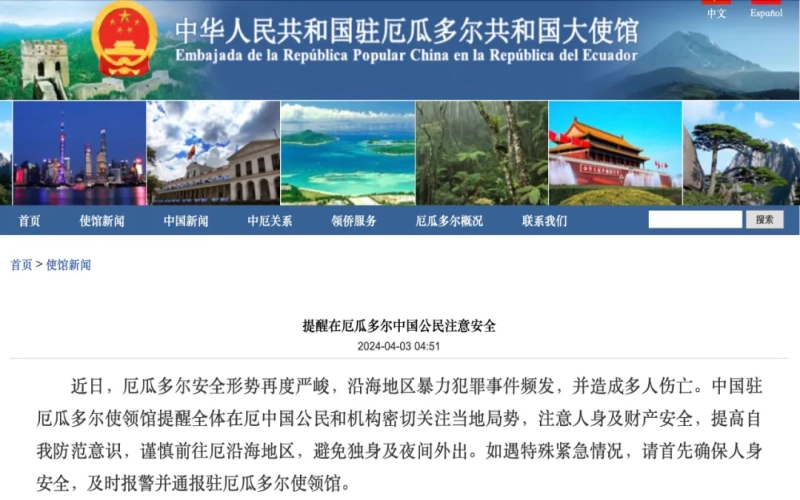
Ecuador's Armed Conflict Coupled with Diplomatic Crisis: Coffee and Tourism Industries Face Chain Reactions
Recently, the Chinese Embassy in Ecuador issued a security alert, noting the frequent violent crimes in the country's coastal areas and advising Chinese citizens and institutions to heighten their vigilance. Behind this warning lies Ecuador's ongoing internal armed conflict and an embassy arrest incident that has sent shockwaves through Latin American diplomacy. As a country dependent on exports of oil, bananas, cocoa, and coffee as well as tourism, Ecuador is facing dual pressures from a deteriorating trade environment and declining willingness among tourists to visit. Although its coffee has gradually risen to prominence in international competitions, attracting many bean hunters to visit, the current situation is undoubtedly casting a shadow over the local coffee industry and tourism economy. [more…]

Ethiopian armed conflict spreads to western coffee regions, hidden concerns emerge behind record exports
Oromia, Ethiopia, has recently seen a string of kidnappings and armed attacks, and the conflict has spread to the Lekanti coffee-producing area in the west and the town of Asela near the Sidama-producing area. Meanwhile, the country's coffee exports in August hit a record high, with export value rising sharply year on year. However, multiple factors—continued conflict, currency depreciation, and the impending implementation of the EU's deforestation regulation—have filled the prospects for Ethiopia's coffee industry with uncertainty. This article reviews the course of events and the impact on the industry for coffee lovers' reference. [more…]
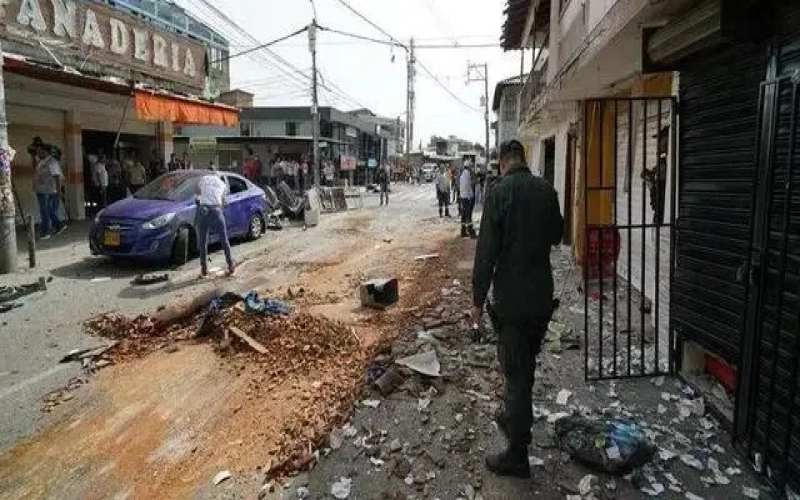
Conflict between the Colombian government and two major rebel groups escalates, affecting key coffee-producing regions
On August 5, Colombia's Ministry of Defense announced the resumption of military operations against the anti-government armed group the National Liberation Army (ELN), and the ceasefire agreement will not be extended after it expires. At the same time, government forces are also fully committed to striking the dissident branch of the former Revolutionary Armed Forces of Colombia (FARC), the Central General Staff. The southwestern and northeastern provinces where these two major armed groups are active happen to be important coffee-producing regions in Colombia. The civil conflict may severely impact coffee cultivation, infrastructure, and exports, thereby driving up international coffee prices. [more…]

Colombia's coffee industry is mired in multiple crises: armed conflict, drought, and policy uncertainty intertwined
Colombia, as a major global coffee-producing region, is now facing a double squeeze from internal and external troubles. Domestic armed conflict has escalated again, and the ceasefire agreement between the government and anti-government armed groups has been suspended in some areas; the drought triggered by El Niño has caused reservoir levels to fall dangerously low, restricting agricultural irrigation and power supply; at the same time, coffee producers also have to deal with rising fertilizer prices, shrinking planting areas, exchange rate fluctuations, and competition from other American producing regions. Although international coffee prices have risen somewhat, the income of Colombian coffee growers has fallen instead of increasing, and an industry strike is imminent. Front Street Coffee will continue to follow developments in this producing region and bring the latest information to enthusiasts. [more…]

Colombian government suspends ceasefire with armed factions, coffee-growing heartlands may face conflict fallout
Colombia's Defense Minister announced at a press conference that the government is terminating the ceasefire agreement signed with some factions of the anti-government armed group "Central General Staff" and has ordered an all-out offensive. Although the government is still maintaining a three-month ceasefire with factions that support peace talks, the conflict mainly affects the departments of Nariño, Cauca, and Valle del Cauca—regions that happen to be important coffee-producing areas in Colombia, home to many well-known estates and the Buenaventura export port. The resumption of fighting could lead to coffee beans being looted, smuggled into neighboring countries, farmers displaced, farms left unmanaged, reduced yields and lower quality, damaged infrastructure, and ultimately affected exports. At a time when global Arabica prices are high, if Colombia, as the second-largest coffee-producing country, sees a decline in production, it could further drive up international coffee prices. Front Street Coffee also continues to monitor the potential impact of developments in producing regions on coffee flavor and supply. [more…]

Escalation of Armed Conflict in Cauca, Colombia: 1,400 Soldiers Deployed, Coffee-Growing Region Hit by Wildfires Again
Colombia's peace process has encountered new setbacks. While the government and the "Caraca" faction extended their ceasefire agreement, another faction—the Western Bloc of the "Central General Staff"—continued to exchange fire with government forces in Cauca Department. President Petro authorized an all-out offensive, and the military deployed more than 1,400 soldiers along with heavy equipment to launch a raid. The conflict sparked wildfires in the mountains, and combined with persistent drought and high temperatures, major coffee-producing regions such as Huila Department and Cauca Department were severely affected, with large tracts of coffee crops destroyed. Coffee output in August fell by nearly 100,000 bags month-on-month. The National Federation of Coffee Growers of Colombia (FNC) said that after three consecutive years of declining production caused by La Niña, output is now struggling to recover, up 15% compared with last year. Regional peace and industry recovery remain core issues that the government urgently needs to address. [more…]

Colombian Government Moves to Take Over FNC: Coffee Industry Faces Dual Test of Policy and Conflict
Colombia's coffee industry stands at a crossroads of change. The National Federation of Coffee Growers (FNC), which has long represented the country's coffee industry, has always operated as a private company, but now President Gustavo Petro has explicitly stated at a major coffee producers' conference that the state must take over the FNC in order to advance the industrialization of the coffee industry and optimize the use of public resources. At the same time, the government has also launched a "Coffee Price Stabilization Fund," providing growers with economic compensation of up to 80% per kilogram. However, the domestic armed conflict continues to escalate, and the anti-government armed group the "Central General Staff" has issued a warning, with peace talks and military threats existing side by side. This article will sort through this series of policy changes and security challenges, and include related recommendations from Front Street Coffee. [more…]
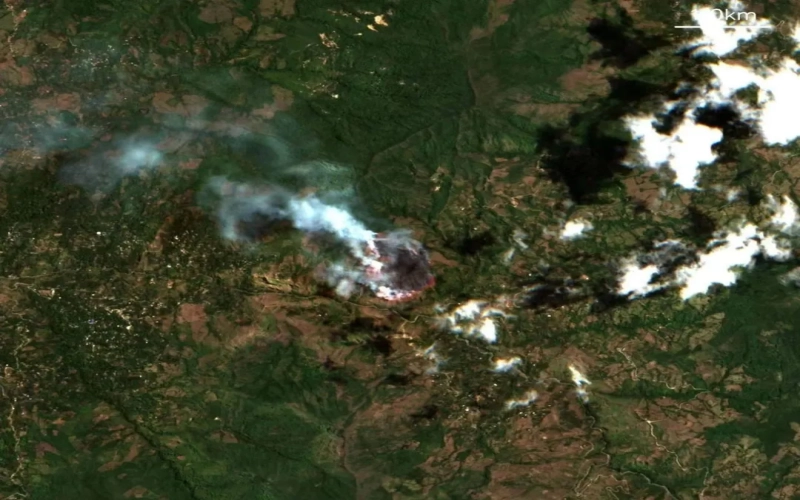
Wildfires Rage in Cauca, Colombia: Coffee and Sugarcane Crops Severely Damaged, Regional Situation Draws Attention
A large-scale forest fire recently broke out in the mountainous area of Bolívar Municipality in Cauca Department, southwestern Colombia, and the fire remains out of control. According to the local mayor, this is the most serious fire the municipality has seen in more than 30 years, with about 2,500 hectares of land destroyed and large amounts of sugarcane and coffee crops damaged, and the fire has already spread to Valle del Cauca Department. Because the ignition area is close to a nature reserve, nearby important water sources may be affected, and due to the complex mountainous terrain, firefighters are finding it difficult to gain access, making firefighting efforts very difficult; aerial support has now been requested. Notably, the Colombian government's ceasefire agreements with several anti-government armed groups have recently been terminated one after another, intensifying armed conflict, and many people suspect this forest fire is related to the conflict. Cauca Department, Valle del Cauca Department, and Norte de Santander Department are all important coffee-producing regions in Colombia. Although the conflict has not yet directly threatened coffee estates and smallholder production, the winter harvest season is approaching in September, and the impact of the mountain fire on output cannot be ignored, and may further drive up already continuously rising coffee purchasing prices. [more…]

Colombia's vice president's motorcade was attacked in Cauca Department, and the violent conflict may spread to the country's core coffee-producing region.
On July 10, the vehicle normally used by Colombian Vice President Francia Márquez was shot at in the southwestern region of Cauca. Fortunately, she was not in the vehicle, and no one was injured in the incident. Nevertheless, the attack once again laid bare the long-standing violent conflict and complex security situation in the departments of Cauca and Valle del Cauca. Of particular concern to the coffee industry is that these two departments are not only important coffee-producing regions in Colombia, with a combined annual output of about 140,000 tonnes, but are also home to well-known estates such as Finca El Paraiso, Finca Inmaculada and Finca La Esperanza, making them destinations for many traders and coffee hunters. If the government escalates military operations and triggers large-scale conflict, both local coffee production and export routes via the port of Buenaventura could be severely affected. Front Street Coffee will continue to monitor the subsequent impact of the incident on Colombia's coffee supply chain. [more…]
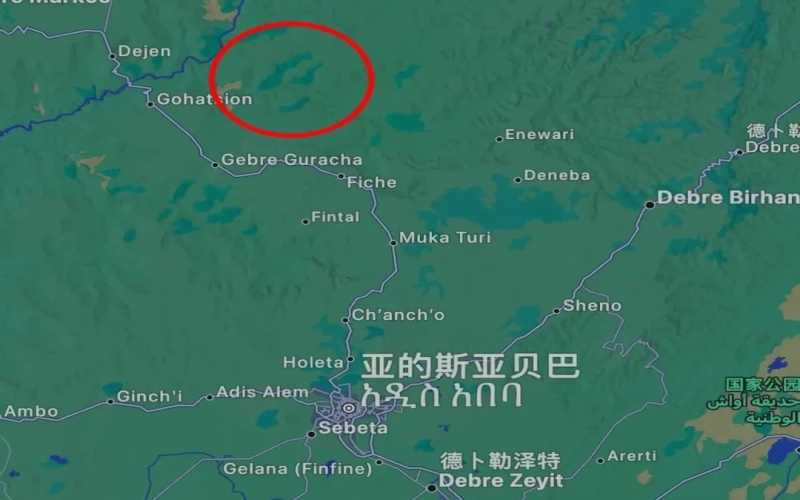
Ethiopian weapons smuggling scandal escalates, casting a shadow over the prospects of Somali port corridors
Armed conflict within Ethiopia continues to spread. Clashes recently erupted in the Dara area of North Shewa Zone, causing civilian casualties and large-scale displacement. Meanwhile, two trucks carrying Ethiopian weapons were intercepted and seized in central Somalia, triggering diplomatic tensions. This series of events could reduce Ethiopia's previously signed agreement with Somaliland on the use of Berbera Port to nothing, while Djibouti Port faces suspension of operations due to the Red Sea crisis. Coffee exports, the backbone of the country's economy, are facing an unprecedented logistics predicament. [more…]
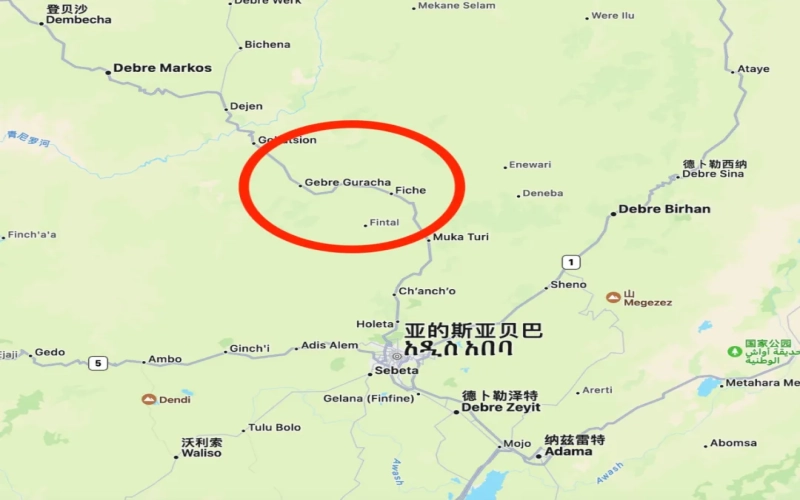
Ethiopia Suffers Another Bus Hijacking as Coffee Export Outlook Faces Multiple Pressures
A vicious kidnapping incident has recently occurred again in Ethiopia's Oromia State, where a bus carrying 52 passengers was hijacked by gunmen in the town of Dogebe Guracha. Although most passengers have escaped, 8 people are still being held. This incident is strikingly similar to the mass kidnapping of 100 people that took place in the town in July this year, causing the local security situation to continue deteriorating. At the same time, armed conflict has also begun to emerge in the southern coffee-producing regions, and combined with the Red Sea situation and tensions in relations with neighboring countries, Ethiopia's coffee industry is facing multiple challenges, including slowing exports and declining confidence among international buyers. [more…]
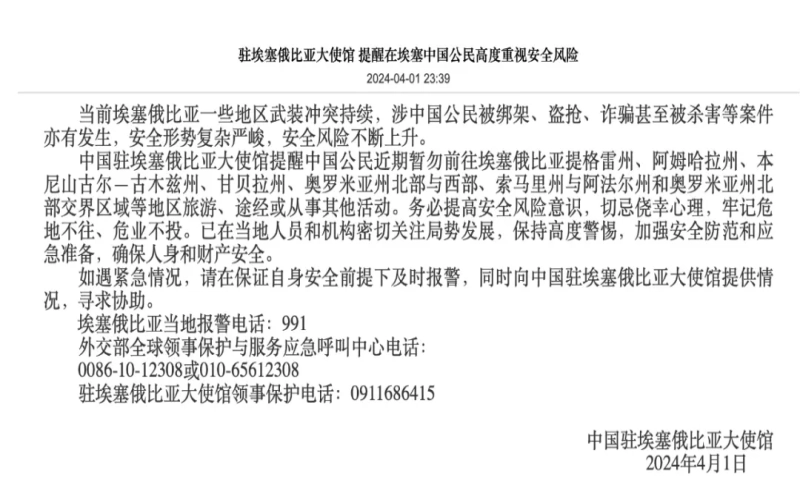
The Chinese Embassy in Ethiopia has issued a safety reminder: temporarily avoid travel to high-risk areas such as Tigray, affecting the coffee trade and tourism.
Recently, the Chinese Embassy in Ethiopia issued a notice advising Chinese citizens to temporarily avoid traveling to several high-risk areas, including Tigray and Amhara regions. The country's protracted civil war and local armed conflicts continue to spread, not only creating security risks but also severely impacting an economy and tourism industry that rely on coffee and agriculture and animal husbandry as pillars. As the recognized birthplace of coffee, Ethiopia's turbulent situation also affects the travel plans of coffee traders and bean hunters. This article outlines the background of the conflict, its impact on the economy and the coffee industry, and reiterates the embassy's safety recommendations, reminding those planning to travel to the country to remain highly vigilant and ensure their personal and property safety. [more…]
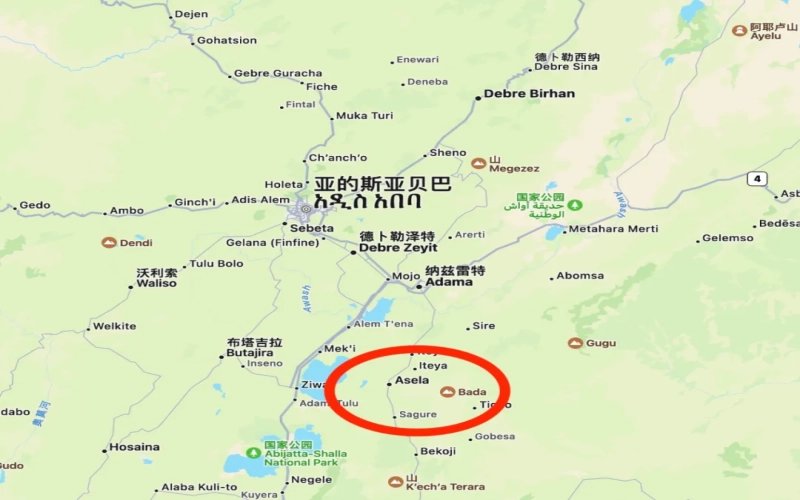
Escalating Security Situation in Southern Ethiopia Poses Potential Threat to Coffee-Growing Regions
Recently, a deadly attack occurred in the Arsi Zone of Oromia Region, Ethiopia, causing casualties and further deteriorating the local security situation. Meanwhile, clashes between Fano armed groups and government forces have intensified in Amhara Region in the northwest, and tensions in Bahir Dar city have escalated. These upheavals not only threaten regional stability but also affect Ethiopia's important coffee industry. With multiple factors overlapping, including currency depreciation, road blockades, and the Red Sea crisis, coffee cultivation costs have risen, exports have been hindered, and international influence faces challenges. This article will review the latest conflict developments and their potential impact on the coffee industry. [more…]
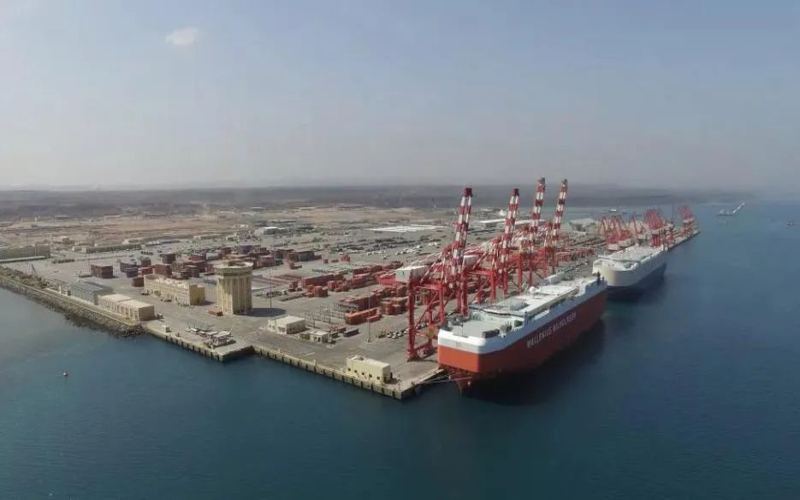
Ethiopia Joins Forces with Djibouti to Strengthen Logistics Corridor, Red Sea Tensions May Affect Coffee Export Costs
As a landlocked country, Ethiopia's foreign trade is highly dependent on the Port of Djibouti. Recently, logistics industry organizations from both countries met in Addis Ababa to discuss deepening cooperation, with plans to sign a memorandum of understanding to establish a formal communication mechanism. However, the security situation in the Red Sea region continues to deteriorate, with Houthi armed forces frequently attacking merchant ships. Several shipping companies have announced freight rate increases for November, putting cost pressure on the coffee industry, which relies on maritime transport. The volume and logistics costs of Ethiopia's coffee exports may be affected in the short term, while the conflict in the north of the country is driving up prices and increasing production expenses. This article will review the progress of logistics cooperation, the dynamics of the Red Sea situation, and their potential impact on the coffee trade. [more…]
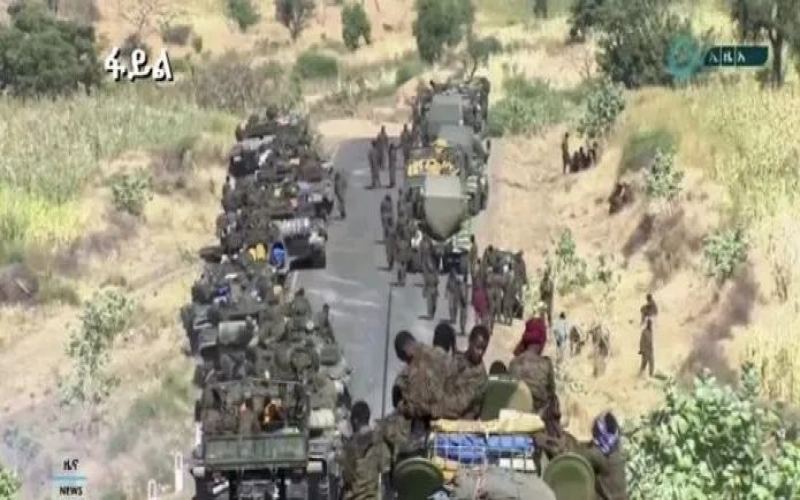
Ethiopia Deploys 40,000 Troops to Crush Fano Insurgents, Coffee Industry Faces Dual Test of Costs and Exports
The Ethiopian federal government has recently deployed approximately 40,000 additional troops to the Amhara region, launching a new large-scale military operation against Fano armed forces. Intense clashes have erupted in multiple areas, disrupting urban transportation and leaving residents trapped in their homes. The conflict has lasted for over a year, causing heavy casualties and severely impacting local agricultural and livestock production as well as logistics and transportation. As a major coffee-producing country in Africa, Ethiopia is facing multiple challenges, including currency depreciation, rising cultivation costs, and compliance pressure from the EU Deforestation Regulation (EUDR). This article will review the latest developments in the conflict and their potential impact on the coffee supply chain. [more…]
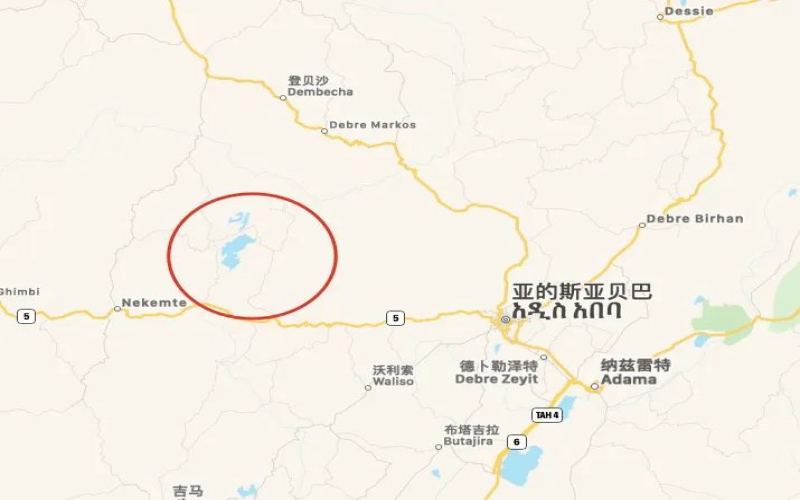
Ethiopian Coffee Exports Face $1.4 Billion Loss: Caught Between Security Conflict and New EU Regulations
The Ethiopian coffee industry is facing severe challenges. On one hand, security conflicts have once again broken out in the Horo Guduru region of Kiremu district in Oromia, resulting in at least 6 deaths; this area is home to Lekanti, the country's main commercial coffee-producing region, and the ongoing conflict continues to disrupt coffee production. On the other hand, the EU Deforestation Regulation will take effect at the end of 2024, and because Ethiopian coffee will struggle to meet compliance requirements, it could face export economic losses of up to US$1.4 billion. Although Ethiopia's coffee export value hit a record in August this year, the dual pressure of the security situation and new international trade rules has left the outlook for this major African coffee country full of uncertainty. [more…]

Clashes between drug cartels in Chiapas, Mexico, displace hundreds, and coffee production in the main growing region may be severely hit.
Recently, violent conflicts involving drug cartels broke out in Chiapas, southern Mexico, killing at least 19 people and forcing nearly 600 residents to flee to Guatemala for refuge. Chiapas is Mexico's largest coffee-producing region, accounting for 44% of the country's total output and home to about 178,000 coffee growers, mostly smallholder families. The conflict has driven many coffee farmers from their land, leaving coffee plantations unmanaged; combined with earlier drought that had already damaged 80% of the planted area, industry insiders expect the 2024/25 harvest to fall by as much as 50%. With production declining in many parts of the world and coffee prices remaining persistently high, Mexico's coffee supply is tightening further, and international market prices may come under even greater pressure. [more…]
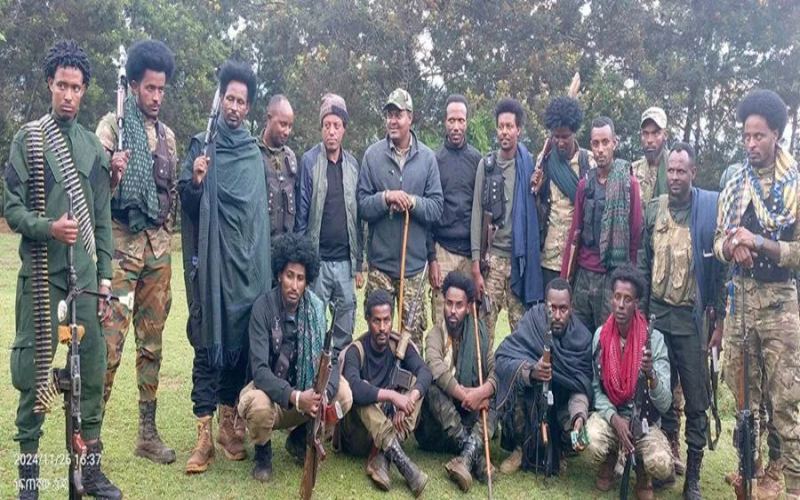
Escalating Internal Conflict in Ethiopia Brings a New Round of Price Increases at Coffee Origins
The conflict between Fano forces and government troops in the Gojjam region of Ethiopia's Amhara State continues to intensify, with the Fano side vowing to retaliate against the government army's atrocities against civilians. This civil war has not only caused heavy casualties but also led to an economic blockade and soaring prices in the region. Meanwhile, Ethiopia's foreign exchange reform has triggered a sharp depreciation of the exchange rate, and the Red Sea shipping crisis has driven up import and export costs. Under these multiple pressures, the country's coffee cultivation costs are steadily rising, and the floor price for coffee exports has consequently been raised. As a major global coffee-producing region, Ethiopia's turbulent situation is profoundly affecting the international coffee market. [more…]

Chinese Investment of 50 Million USD to Develop Ethiopia's Gada Special Economic Zone: Opportunities and Security Challenges for the Coffee Processing Industry
Recently, the Ethiopian Investment Commission signed a subcontractor developer agreement with the Chinese enterprise CKIIG to develop 20 hectares of land in the Gada Special Economic Zone, with a total investment of 50 million USD (about 6 billion birr). The project focuses on areas such as coffee processing and is expected to enhance Ethiopia's coffee processing technology and export competitiveness. However, Ethiopia currently faces multiple challenges, including armed conflict, kidnapping incidents, earthquakes, and currency depreciation, causing coffee industry costs to keep rising. Front Street Coffee will continue to follow developments in the origin and bring frontline news to coffee lovers. [more…]
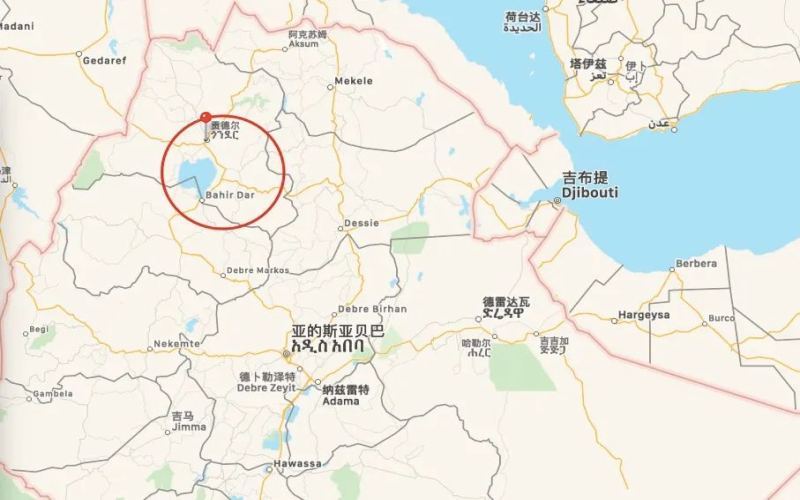
Drone airstrike in northern Ethiopia kills 60, coffee exports under pressure due to EUDR delay and security situation
The Ethiopian government has launched drone airstrikes in the Gondar region of Amhara State, killing more than 60 civilians. The local anti-government Fano militia says the airstrikes cannot reverse the defensive forces' passive position, but instead have won them more grassroots support. The conflict has left millions of students out of school, damaged medical facilities, blocked roads, and disrupted the country's agriculture and livestock sectors and prices. Although the southern coffee-growing regions have so far not been affected, exports face pressure from the delayed implementation of the EU's EUDR and falling international coffee prices. Ethiopia's prime minister says annual coffee production has doubled from 500,000 tons to more than 1 million tons over the past five years, but producers believe regional security is the top priority. [more…]